Yogurt Bagel Recipe Two Ingredients
Highlighted under: Lean Kitchen Creations
I love discovering simple recipes that don’t compromise on taste, and this Yogurt Bagel recipe is a perfect example. With just two ingredients—Greek yogurt and self-rising flour—you can whip up a fresh batch of bagels in no time. Whether you're looking for a quick breakfast or a delightful snack, these bagels deliver on flavor and texture. Plus, they’re a great base for all your favorite toppings. Get ready to enjoy the satisfaction of homemade bagels without the fuss!
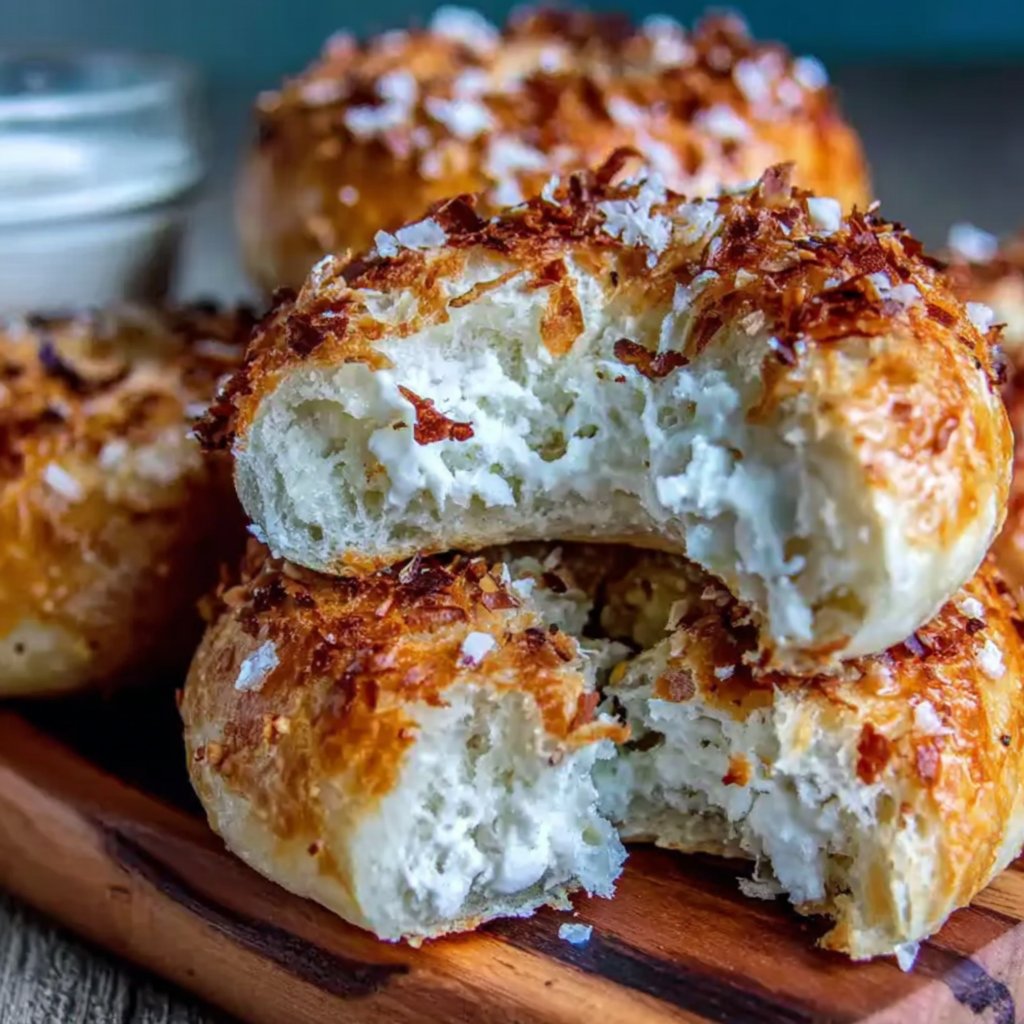
When I first stumbled upon this two-ingredient bagel recipe, I was skeptical if it could truly deliver the chewy goodness of traditional bagels. However, after a few trial runs, I was amazed at how easy and delicious these bagels turned out. The key lies in using quality Greek yogurt, which adds a lovely creaminess and rich flavor.
I found that a little extra kneading helps develop the texture, resulting in perfectly chewy bagels. My favorite part? Experimenting with toppings—from sesame seeds to everything bagel seasoning. This recipe has become a staple in my kitchen!
Why You'll Love This Recipe
- Quick and easy with only two ingredients
- Light, chewy texture reminiscent of traditional bagels
- Versatile for sweet and savory toppings
Mastering the Dough
The key to achieving the perfect dough for your bagels lies in the balance of your ingredients. Greek yogurt adds moisture and a slight tang, which enhances the flavor. Self-rising flour brings both structure and lightness, courtesy of the baking powder and salt already blended in. When mixing, you want to combine them until you see a shaggy mass forming, but don’t overmix, as too much handling can make the bagels tough.
To ensure a smooth and elastic texture, kneading is essential. It's during this step that gluten develops, giving the bagels their characteristic chew. Don't rush this part; spend about five minutes kneading on a well-floured surface. If it still feels too sticky halfway through, sprinkle a little extra flour rather than adding too much at once. After kneading, the dough should be soft yet not sticky, allowing you to handle it easily.
Shaping Your Bagels
Shaping your bagels correctly is crucial, as it affects their texture and appearance. When rolling out each piece into a rope, aim for a thickness of about one inch. This uniformity ensures that they cook evenly. After forming the circle, pinch the ends firmly to seal and avoid any gaps during baking. If you notice the dough shrinking back while shaping, let it rest for a few minutes; this allows the gluten to relax, making it easier to shape.
If you prefer a fancier presentation, consider adding toppings before baking. For a classic approach, sprinkle sesame or poppy seeds on top of the bagels. Just brush the bagel surface with a bit of water or egg wash to help the seeds stick. This step not only adds flavor but also gives your bagels an appealing look with a bit of crunch.
Serving Suggestions
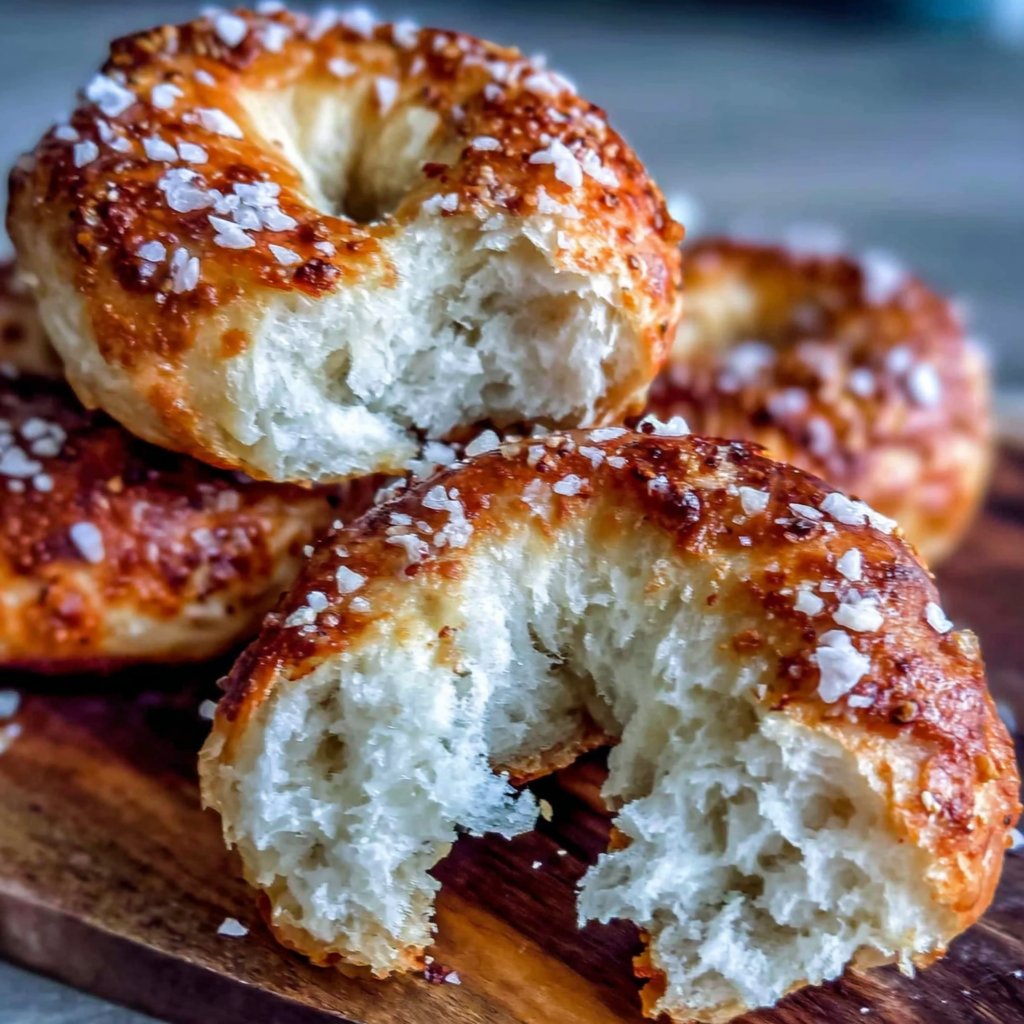
Once your bagels are baked to a lovely golden brown, they're ready to be customized with your favorite toppings. Whether you enjoy cream cheese, smoked salmon, or a spread of avocado, the versatility of these bagels allows you to cater to any taste preference. Slice them while still warm for the best texture, allowing the interior to remain soft and chewy, perfect for any topping.
If you're preparing these bagels in advance, they freeze remarkably well. Once completely cooled, wrap each bagel in plastic wrap or foil, and store them in the freezer for up to three months. When ready to enjoy, pull one out and reheat in the oven at 375°F (190°C) for about 5-10 minutes. This method will restore their freshness and delightful texture.
Ingredients
For the Bagels
- 1 cup Greek yogurt
- 1 1/2 cups self-rising flour
Mix the ingredients well to form a dough!
Instructions
Prepare the Dough
In a mixing bowl, combine the Greek yogurt and self-rising flour. Stir until a shaggy dough begins to form. If the dough is too sticky, gradually add more flour until it is manageable.
Knead the Dough
Transfer the dough onto a floured surface and knead for about 5 minutes until it is smooth and elastic. Divide it into 8 equal pieces.
Shape the Bagels
Roll each piece into a long rope and then form it into a circle, pinching the ends to seal.
Bake the Bagels
Preheat your oven to 375°F (190°C). Place the bagels on a baking sheet lined with parchment paper. Bake for 20 minutes or until golden brown.
Cool and Serve
Remove from the oven and let cool for a few minutes before slicing and adding your favorite toppings.
Enjoy your homemade yogurt bagels!
Pro Tips
- Try adding a bit of honey to the yogurt for a subtly sweet flavor or sprinkle some garlic powder into the dough for a savory twist.
Dietary Adjustments
If you're looking for a gluten-free alternative, you can substitute the self-rising flour with a gluten-free all-purpose blend, ensuring it includes a rising agent. However, the texture might vary slightly, so consider adding a tablespoon of xanthan gum to help achieve the chewy texture characteristic of traditional bagels. It's also wise to keep an eye on the baking time, as gluten-free dough can sometimes cook faster than regular flour.
For a dairy-free version, you can use a plant-based yogurt in place of Greek yogurt. Just be sure to choose one that’s low in sugar and has a thick consistency similar to Greek yogurt. The flavor profile will differ slightly, but you’ll still get a delicious result. Experimenting with flavored yogurts can also introduce exciting new tastes.
Common Troubleshooting
If your bagels spread too much during baking, it may be due to the dough being too warm or overly hydrated. Make sure to handle the dough gently when shaping to keep the structure intact. Additionally, if you find your bagels aren’t rising properly, double-check that your self-rising flour isn’t expired; fresh leavening agents are crucial for achieving the right texture.
Another common issue is a dense texture resulting from over-kneading or not using enough flour. While it’s important to knead enough for gluten development, be cautious about overdoing it. Aim for that smooth, elastic feel but stop as soon as your dough reaches that point. If your first batch doesn’t turn out just right, tweaks in technique and ingredients can easily lead to better results next time!
Flavor Variations
These bagels provide an excellent canvas for flavor experimentation. You can mix in herbs like dried oregano, garlic powder, or onion flakes directly into the dough for a savory twist. Alternatively, for something sweet, consider incorporating mini chocolate chips or dried fruit like cranberries or raisins into the mix, creating a delightful breakfast treat.
Feel free to adjust the size of your bagels, too—larger bagels can be great for sandwiches, while smaller ones make perfect bite-sized snacks. Just remember to keep an eye on the baking time when adjusting the size to ensure they cook evenly, allowing for a few minutes more or less depending on how big or small you make them.
Questions About Recipes
→ Can I use regular yogurt instead of Greek yogurt?
While you can, Greek yogurt provides a thicker consistency which helps achieve a better bagel texture.
→ What if I don't have self-rising flour?
You can make your own by combining all-purpose flour with baking powder and salt. For every cup of all-purpose flour, add 1.5 teaspoons of baking powder and a pinch of salt.
→ How should I store the bagels?
Store the bagels in an airtight container at room temperature for up to 2 days or freeze them for longer storage.
→ Can I add toppings before baking?
Absolutely! Before baking, you can brush the bagels with an egg wash and sprinkle your favorite toppings on top.
Yogurt Bagel Recipe Two Ingredients
Created by: Bethany Clarke
Recipe Type: Lean Kitchen Creations
Skill Level: Beginner
Final Quantity: 8 bagels
What You'll Need
For the Bagels
- 1 cup Greek yogurt
- 1 1/2 cups self-rising flour
How-To Steps
In a mixing bowl, combine the Greek yogurt and self-rising flour. Stir until a shaggy dough begins to form. If the dough is too sticky, gradually add more flour until it is manageable.
Transfer the dough onto a floured surface and knead for about 5 minutes until it is smooth and elastic. Divide it into 8 equal pieces.
Roll each piece into a long rope and then form it into a circle, pinching the ends to seal.
Preheat your oven to 375°F (190°C). Place the bagels on a baking sheet lined with parchment paper. Bake for 20 minutes or until golden brown.
Remove from the oven and let cool for a few minutes before slicing and adding your favorite toppings.
Extra Tips
- Try adding a bit of honey to the yogurt for a subtly sweet flavor or sprinkle some garlic powder into the dough for a savory twist.
Nutritional Breakdown (Per Serving)
- Calories: 200 kcal
- Total Fat: 1g
- Saturated Fat: 0g
- Cholesterol: 5mg
- Sodium: 5mg
- Total Carbohydrates: 41g
- Dietary Fiber: 1g
- Sugars: 1g
- Protein: 6g